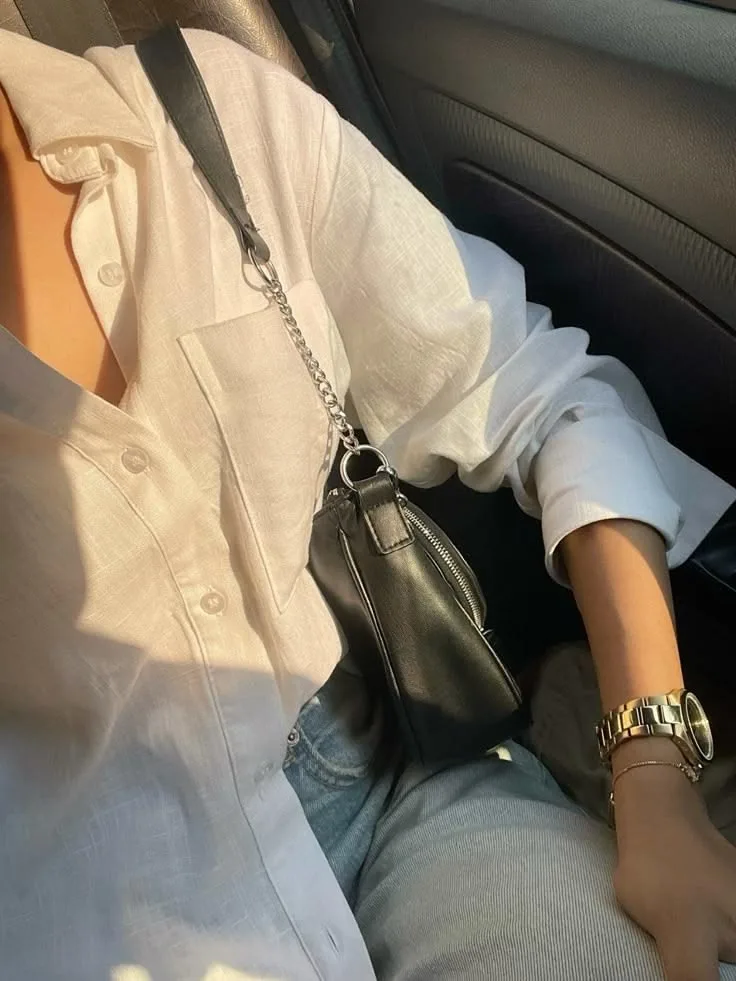
There’s a common myth that looking polished and put-together requires a designer budget. In reality, some of the most effortlessly stylish women you’ll ever meet aren’t spending a fortune on their wardrobes — they’ve simply mastered the art of budget-friendly fashion. It’s not about chasing every trend or filling your closet with expensive labels; it’s about knowing which pieces to invest in, which to skip, and how to style what you already own with intention.
This guide is all about budget-friendly fashion that doesn’t look budget at all. Whether you’re a student working with limited funds, someone trying to be more mindful with spending, or simply want to get more value out of your wardrobe, these strategies will help you look expensive without breaking the bank — no trust fund required.
Why Budget-Friendly Fashion Doesn’t Mean Cheap-Looking
There’s an important distinction between “cheap” and “budget-friendly.” Cheap fashion often means poor fabric quality, ill-fitting cuts, and trend pieces that fall apart after a few washes. Budget-friendly fashion, on the other hand, is about being strategic — spending your money where it counts and saving it where it doesn’t matter as much.
The secret that stylists and fashion-savvy women have known for years is that an expensive-looking outfit isn’t about the price tag; it’s about fit, fabric, and styling. A $30 dress that fits perfectly and is styled thoughtfully will always look more expensive than a $200 dress that’s ill-fitting or poorly put together. Once you understand this principle, budget-friendly fashion stops feeling like a compromise and starts feeling like a smarter way to shop.
The Core Principles of Looking Expensive on a Budget
Before diving into specific tips, it helps to understand the foundational philosophy behind budget-friendly fashion that actually looks high-end.
Fit is everything. No matter how nice a fabric is or how flattering a color, an outfit that doesn’t fit properly will never look expensive. Tailoring — even simple, affordable tailoring like hemming pants or taking in a waist — is one of the most underrated tools in affordable style. A $15 tailoring adjustment can transform a $20 thrifted blazer into something that looks like it came from a boutique.
Quality over quantity. Rather than buying ten trendy pieces that’ll be discarded within a season, budget-friendly fashion focuses on fewer, better pieces that last. This doesn’t mean spending more overall — it means being selective, prioritizing versatile items that can be worn dozens of different ways.
Mixing high and low. One of the oldest tricks in the book is pairing one elevated piece — a structured bag, quality shoes, or a well-tailored blazer — with more affordable basics. The eye tends to focus on the strongest element of an outfit, so a single elevated piece can visually “lift” an entire look.
7 Practical Tips for Budget-Friendly Fashion That Looks Expensive
1. Invest in a Few Statement Pieces, Not a Full Wardrobe
You don’t need to overhaul your entire closet to practice budget-friendly fashion. Instead, identify two or three “hero” pieces worth spending a little more on — a well-structured handbag, a great pair of shoes, or a tailored coat. These items get worn constantly and elevate everything around them, meaning the cost-per-wear ends up remarkably low over time, even if the upfront price feels like a splurge.
2. Master the Art of Tailoring
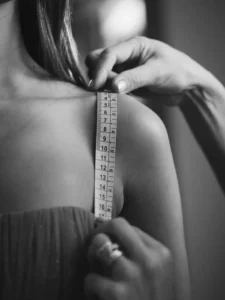
This might be the single most impactful tip in this entire guide. Off-the-rack clothing is made for average body proportions, which means it rarely fits anyone perfectly straight off the hanger. A skilled tailor can transform an inexpensive piece into something that looks custom-made, which is exactly the kind of trick that makes budget-friendly fashion indistinguishable from designer fashion at a glance. Hemming trousers, taking in a blazer’s waist, or adjusting a dress’s straps are all affordable changes that make an enormous visual difference.
3. Shop Secondhand and Thrift Smart
Thrift stores, consignment shops, and resale apps have become goldmines for budget-friendly fashion enthusiasts. Designer and high-quality pieces are often available at a fraction of their retail price, and the sustainability angle is an added bonus. The key to successful thrifting is patience and a clear sense of what you’re looking for — rather than buying anything that catches your eye, focus on quality fabrics (natural fibers like wool, silk, and cotton tend to hold up better) and timeless silhouettes that won’t feel dated in a year.
4. Stick to a Cohesive, Neutral Color Palette
One reason expensive-looking wardrobes feel so polished is color cohesion. When your clothing exists within a tight, complementary color palette — think camel, black, white, navy, and grey — everything mixes and matches effortlessly, creating the illusion of a much larger, more curated wardrobe. This is a core principle of budget-friendly fashion: fewer colors mean more outfit combinations from fewer pieces, without ever looking repetitive.
5. Pay Attention to Fabric, Not Just Price
Not all affordable clothing is created equal. Two items at the same price point can look drastically different depending on their fabric composition. When shopping on a budget, learn to check fabric labels — natural fibers and fabric blends with a bit of structure (rather than flimsy, sheer, or overly stretchy synthetics) tend to drape better and photograph more expensively. This small habit is one of the easiest ways to practice smarter budget-friendly fashion shopping without spending more money.
6. Elevate with Accessories
Accessories are one of the most cost-effective ways to transform a simple outfit. A structured bag, a classic watch, or well-chosen jewelry can make even the most basic T-shirt-and-jeans combination look intentional and expensive. Since accessories generally cost less than clothing but have an outsized visual impact, they’re one of the smartest tools in any budget-friendly fashion strategy — a small investment that pays off across dozens of outfits.
7. Take Care of What You Already Own
Looking expensive isn’t just about what you buy — it’s also about how well you maintain what you already have. Ironing or steaming your clothes, removing pilling from sweaters, polishing shoes, and storing garments properly all contribute to a more polished, put-together appearance. This is often the most overlooked aspect of budget-friendly fashion — proper care can make even inexpensive pieces look significantly more refined, while neglect can make even designer items look sloppy.
Building a Capsule Wardrobe on a Budget
A capsule wardrobe — a smaller, curated collection of versatile pieces — pairs perfectly with the philosophy of budget-friendly fashion. By intentionally limiting your wardrobe to pieces that all work together, you reduce decision fatigue, minimize impulse purchases, and maximize the number of outfits you can create from a relatively small number of items.
Start by identifying the basics you wear most often: a great pair of jeans, a few versatile tops, one or two dresses, a blazer, and reliable shoes. Once these foundational pieces are in place, you can add seasonal or trend-driven items sparingly, without derailing your budget or your closet’s cohesion. This approach to budget-friendly fashion isn’t just financially smart — it also tends to result in a more consistent, elevated personal style overall.
Common Mistakes That Undermine Budget-Friendly Fashion
Even with the best intentions, a few common mistakes can make an outfit look cheaper than it actually is, no matter how much was spent. Avoid overly trendy pieces that scream “fast fashion,” as viral or heavily marketed items often lose their appeal — and their expensive look — within a single season. Skip anything with visible logos or branding that reads as an attempt to signal cost rather than style; understated, quality pieces almost always look more expensive than loud branding.
Also be cautious with fit — oversized doesn’t always mean stylish, and ill-fitting clothing (whether too tight or too loose in the wrong places) is one of the fastest ways to undercut an otherwise thoughtful outfit. Finally, don’t neglect small details like frayed hems, missing buttons, or worn-out shoes; these small imperfections are often what separates a polished look from a sloppy one, regardless of how much the individual pieces cost.
Where to Shop for Budget-Friendly Fashion
Beyond thrift and consignment stores, several strategies can help you build an elevated wardrobe without overspending. Outlet stores often carry the same brands as full-price retailers at a fraction of the cost, particularly during end-of-season sales. Online resale platforms have also made designer and high-quality secondhand pieces more accessible than ever, often at 50-70% below retail price.
It’s also worth following a “cost-per-wear” mindset when shopping — a slightly pricier item you’ll wear fifty times works out cheaper, per wear, than a bargain piece worn only once or twice. This mental shift is central to sustainable budget-friendly fashion, helping you make smarter long-term decisions rather than chasing short-term savings that ultimately cost more.
Final Thoughts
Looking expensive has very little to do with how much you actually spend — it has everything to do with intention, fit, and thoughtful styling. Budget-friendly fashion isn’t a compromise or a “lesser” way to dress; it’s a smarter, more sustainable approach that prioritizes quality, versatility, and personal style over impulsive, trend-chasing purchases.
Start small — perhaps with a single tailoring appointment or a trip to a local thrift store — and build from there. Over time, you’ll develop an eye for what genuinely elevates an outfit versus what merely adds to your closet clutter. With a little patience and the right strategy, looking polished, put-together, and effort3lessly expensive is entirely within reach, no matter your budget.