Long before you say a single word, your outfit has already started speaking for you. The color of your dress, the shade of your blouse, the tone of your blazer — each one sends a signal that shapes how others perceive you, often before they’ve even noticed the cut or the brand. This is the foundation of color psychology in fashion: the idea that the hues women choose to wear aren’t just aesthetic decisions, but psychological ones that influence mood, perception, and even confidence.
Understanding color psychology in fashion isn’t about memorizing strict rules or following rigid color charts. It’s about recognizing the emotional and cultural associations tied to different shades, and using that knowledge intentionally — whether you’re dressing for a job interview, a first date, a festive occasion, or simply want to feel more confident walking into a room. In this guide, we’ll explore the science behind color perception, break down what each major color communicates when worn by women, and show you how to apply color psychology in fashion to your everyday wardrobe choices.
The Science Behind Color Psychology in Fashion
Color psychology isn’t just a trendy marketing buzzword — it’s rooted in genuine psychological and physiological research. Studies in visual perception have shown that different wavelengths of light can trigger measurable responses in the brain, influencing everything from heart rate to emotional state. Warm colors like red and orange tend to increase alertness and energy, while cool colors like blue and green have a calming, grounding effect.
This is precisely why color psychology in fashion has become such a powerful tool for personal styling, especially for women navigating multiple roles — professional, social, festive — often within the same week. Designers, stylists, and fashion brands have long understood that color isn’t neutral — it carries weight, meaning, and emotional resonance. A red wrap dress doesn’t just look bold; it feels bold, both to the woman wearing it and to everyone who sees her walk into the room.
Beyond the physiological response, there’s also a strong cultural and historical dimension to how women’s clothing colors are interpreted. Purple has been associated with royalty and luxury for centuries. Red has long symbolized celebration and auspiciousness in Indian bridal and festive wear, while carrying entirely different connotations in Western fashion. These historical layers add depth to modern color psychology in fashion, meaning the colors you choose carry both universal psychological associations and culturally specific meanings.
What Each Color Says About You
Now let’s break down the specific meanings behind the most commonly worn colors in women’s clothing — and how you can use this knowledge to dress more intentionally.
Red: Power, Passion, and Confidence
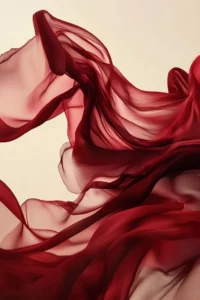
Red is arguably the boldest statement a woman can make in color psychology in fashion. It’s a color that demands attention — studies show red can increase heart rate and create a subtle sense of urgency in those who view it. Historically associated with power and celebration, from bridal lehengas to red-carpet gowns, red continues to signal confidence, passion, and assertiveness.
A red dress or red blazer is ideal for situations where a woman wants to stand out or command a room — a big presentation, a networking event, or a first date where she wants to leave a lasting impression. However, red can also feel overwhelming in more subdued professional settings, so it’s often best used as an accent — a red handbag, heels, or lipstick — rather than head-to-toe, unless the occasion truly calls for boldness.
Blue: Trust, Calm, and Reliability
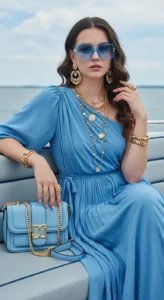
If red is about commanding attention, blue is about building trust — which is exactly why understanding color psychology in fashion often starts with this color. Blue has a naturally calming effect, associated with stability, dependability, and professionalism. It’s no coincidence that so many women’s workwear pieces — blazers, pencil skirts, tailored dresses — lean heavily on shades of blue.
Navy blue in particular strikes a balance between authority and approachability, making it one of the most popular choices for job interviews and important meetings. Lighter blues, seen in casual blouses or summer dresses, feel more relaxed and friendly — perfect for settings where you still want to project reliability without appearing overly formal.
Black: Sophistication, Authority, and Mystery
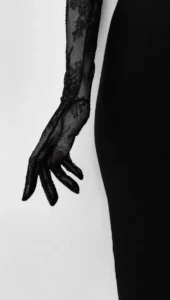
Few colors carry as much versatility in color psychology in fashion as black. It’s simultaneously the color of mourning, rebellion, elegance, and power — a duality that makes it endlessly adaptable across a woman’s wardrobe. A black blazer dress reads as authoritative and polished, while a black leather jacket over a slip dress can feel edgy and rebellious.
Psychologically, black is often associated with control and sophistication. It creates a sense of mystery, giving away less information about the wearer than brighter, more expressive colors. This is part of why the “little black dress” remains a go-to choice for formal events, dinner dates, and situations where a woman wants to project confidence without revealing too much personality.
White: Purity, Simplicity, and Freshness
White occupies a unique space in color psychology in fashion — it’s often associated with cleanliness, simplicity, and new beginnings. A crisp white shirt or white summer dress feels fresh and put-together, while an all-white outfit can convey minimalism and quiet confidence.
Culturally, white carries different connotations depending on context — associated with bridal wear in many Western cultures, while symbolizing mourning in some Indian and Eastern traditions. In everyday women’s fashion, though, white generally reads as clean, approachable, and effortlessly stylish, making it a reliable neutral base for countless outfit combinations, from office wear to summer brunches.
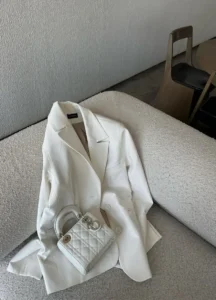
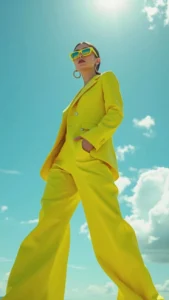
Yellow: Optimism, Creativity, and Energy
Yellow is one of the most emotionally charged colors in color psychology in fashion, closely tied to happiness, optimism, and creative energy. It’s a color that demands confidence to wear well — bright, attention-grabbing, and impossible to ignore.
A woman wearing a yellow dress or top signals that she’s comfortable standing out and embracing individuality. It’s often associated with intelligence and cheerfulness, making it a great choice for creative industries, festive occasions, or casual social settings where warmth and approachability matter. That said, overly bright or saturated yellows can occasionally read as anxious or overwhelming in more formal contexts, so it’s often best balanced with neutral tones like white or beige.
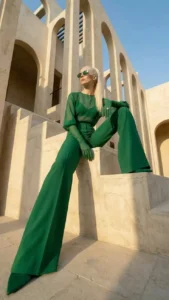
Green: Balance, Growth, and Harmony
Green sits at a fascinating intersection of warm and cool tones, which is why it plays such a versatile role in color psychology in fashion. Associated with nature, growth, and balance, green tends to have a grounding, restorative effect — both on the wearer and the observer.
Darker shades like emerald or bottle green feel luxurious and sophisticated, often appearing in formal eveningwear and festive sarees, while lighter sage and olive tones feel more relaxed and earthy, popular in casual and sustainable women’s fashion. Wearing green often signals a sense of calm confidence — a woman who is comfortable, balanced, and in tune with her surroundings.
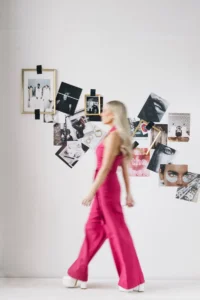
Pink: Warmth, Femininity, and Approachability
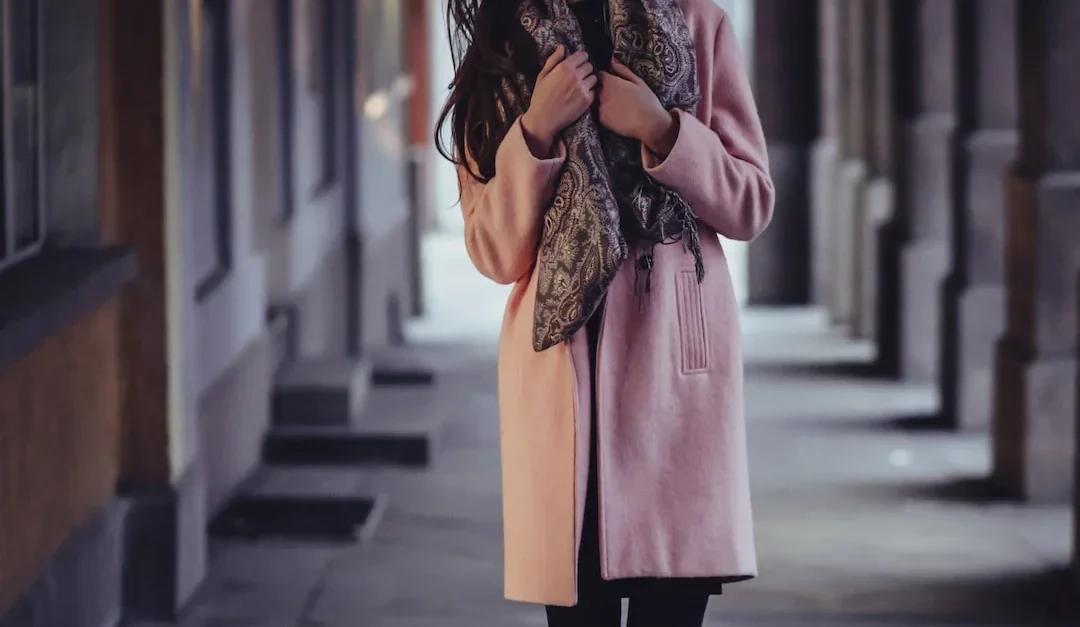
No discussion of women’s clothing would be complete without pink, which holds a distinct place in color psychology in fashion. Soft pinks are strongly associated with warmth, nurturing, and approachability, making them popular for casual daywear and romantic occasions.
Hot pink or fuchsia, on the other hand, carries a bolder, more playful energy — signaling confidence and fun without the intensity of red. Blush and dusty rose tones have become especially popular in workwear and formal dresses, offering femininity without sacrificing sophistication.
Neutral Tones: Sophistication and Versatility
Beyond individual bold colors, neutral tones — beige, gray, taupe, and cream — deserve their own place in any discussion of color psychology in fashion. These shades provide psychological grounding, projecting sophistication, professionalism, and timeless elegance without demanding attention the way bolder colors do.
Neutrals are particularly effective when a woman wants her personality, accessories, or the cut of her clothing to take center stage rather than the color itself. They’re also incredibly versatile, working across seasons and occasions in a way few bold colors can match — which is part of why so many timeless pieces for women lean heavily on neutral palettes.
How to Apply Color Psychology in Fashion to Your Wardrobe
Understanding the theory behind color psychology in fashion is only useful if you can actually apply it to your everyday choices. Here’s how to start dressing more intentionally using color.
Start with your goal. Before getting dressed, ask yourself what you want to communicate. Heading into a negotiation where you want to project authority? Navy or black might serve you better than a soft pastel. Meeting friends for a casual, upbeat brunch? A pop of yellow or coral might better reflect the mood you’re going for.
Consider your audience. The color psychology in fashion principles you lean on should shift slightly depending on who you’re dressing for. Corporate environments tend to respond well to blues, blacks, and neutrals, while creative, social, or festive settings often reward more expressive, bold color choices like red, pink, or emerald green.
Use color as an accent, not just a base. You don’t need to commit to an entire outfit in one bold shade to take advantage of color psychology in fashion. A red handbag, a yellow scarf, or a green blazer over a neutral dress can inject personality and intention without overwhelming the overall look.
Pay attention to how colors make you feel. Color psychology isn’t just about how others perceive you — it’s also about how certain shades make you feel. If wearing a particular color consistently boosts your confidence or mood, that’s valuable information worth building your wardrobe around, regardless of what any color chart suggests.
Layer meaning thoughtfully. Combining colors can create even more nuanced messages. Pairing red with black, for example, combines passion with sophistication, while blue paired with white often feels crisp, trustworthy, and clean. Once you understand individual color meanings, you can start crafting more intentional combinations for both everyday and festive wardrobes.
Common Questions About Color Psychology in Fashion
Does color psychology in fashion apply the same way across all cultures?
Not entirely. While some color associations — like red signaling energy or blue signaling calm — appear fairly consistent across cultures due to shared psychological responses, others are deeply culture-specific. White and red, for instance, carry very different connotations in Western versus Indian fashion contexts. It’s worth being mindful of cultural context, especially for festive or bridal wear.
Can wearing a certain color actually change how I feel?
Yes, to a meaningful degree. Research suggests that the colors women wear can influence their own mood and confidence, not just how others perceive them. Many report feeling more energized in bright colors and calmer in softer, cooler tones — which is part of why color psychology in fashion is as much about self-perception as it is about external impressions.
Is it possible to overuse color psychology in fashion when dressing?
Absolutely. Like most style principles, color psychology works best in moderation and with intention. Wearing every “power color” at once doesn’t multiply the effect — it often just creates visual noise. The goal is thoughtful, intentional use of color, not overcorrection.
Final Thoughts
Fashion has always been a form of nonverbal communication, and color remains one of its most powerful tools for women. Whether you’re drawn to bold reds, calming blues, soft pinks, or sophisticated neutrals, every shade you choose to wear tells a small story about who you are, how you’re feeling, and how you want to be perceived.
Learning to apply color psychology in fashion doesn’t mean overhauling your entire wardrobe overnight. It simply means becoming more intentional — pausing for a moment before you get dressed to consider not just what looks good, but what feels right for the message you want to send. Once you start paying attention to color this way, getting dressed stops being a purely aesthetic decision and becomes something far more powerful: a daily opportunity for self-expression.